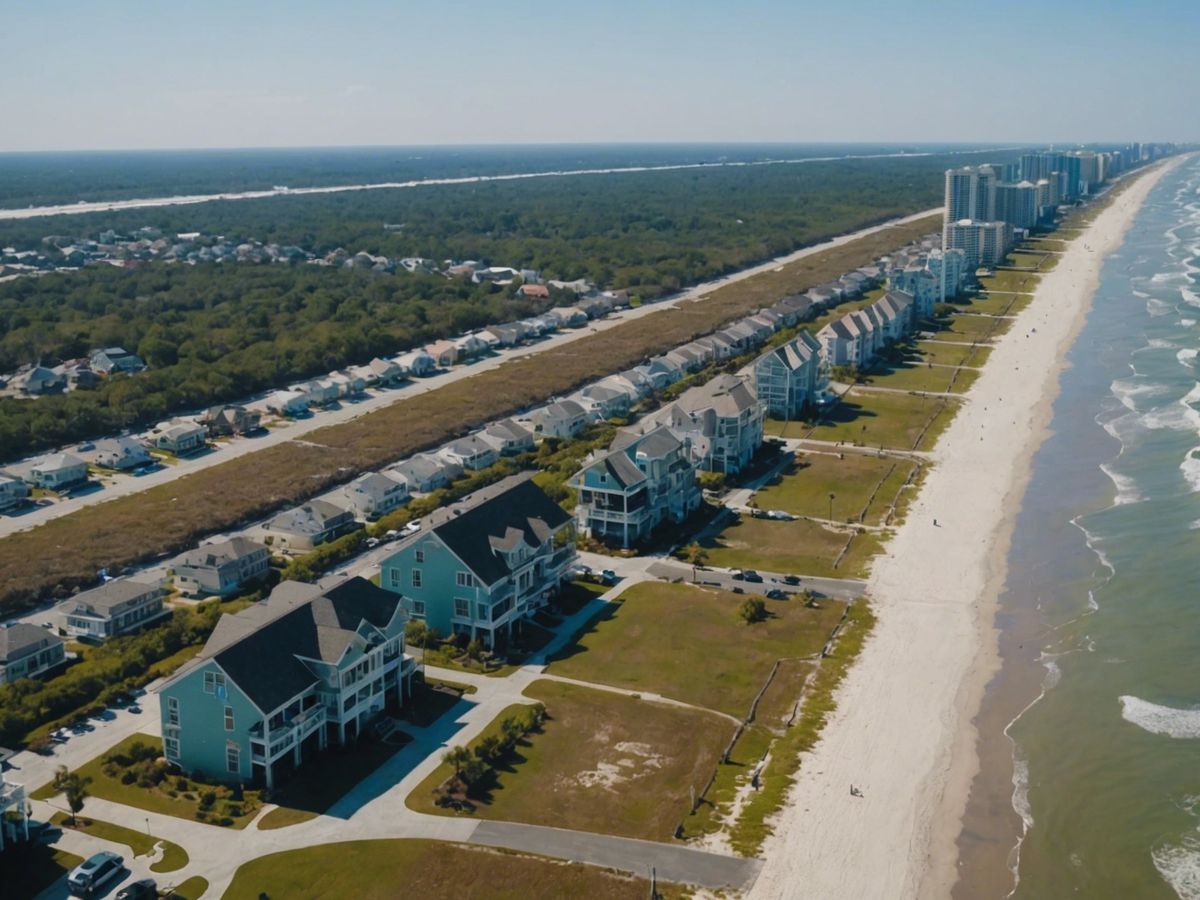
Myrtle Beach has enacted a 270-day moratorium on converting short-term rentals into long-term ones near the ocean. This decision aims to bolster the city's tourism-driven economy by ensuring an ample supply of short-term rental properties close to the beach.
Key Takeaways
- Moratorium Duration: 270 days
- Affected Areas: Properties along Ocean Boulevard and Kings Highway
- Reason: To maintain the city's tourism-driven economy
- Additional Developments: Approval of a $120 million high-rise hotel and a $500,000 donation for economic development
Economic Importance of Tourism
Tourism is the cornerstone of Myrtle Beach's economy. The city council's ordinance emphasizes that the local economy heavily relies on short-term rental properties, especially those near the beach. The moratorium is designed to prevent the loss of these valuable assets, which could negatively impact municipal services and the overall quality of life.
Scope of the Moratorium
The moratorium affects hundreds of properties along Ocean Boulevard and Kings Highway. Although the ordinance does not explicitly define a short-term rental, city officials clarify that it refers to any property rented for less than 90 days. This temporary halt will allow city officials to review and possibly revise zoning laws, building codes, and other regulations.
Potential Risks and Benefits
City council members argue that losing short-term rental properties near the beach could pose a public risk. The lost revenue from these properties could affect the level of municipal services and amenities, leading to a general decline in the quality of life. On the flip side, the moratorium provides an opportunity to strengthen the city's economic framework and ensure long-term sustainability.
Additional Developments
In addition to the moratorium, the city council has given initial approval for the development of a $120 million high-rise hotel along 23rd Ave S. This project is expected to further boost the local economy. The city also accepted a $500,000 donation from HTC to assist with economic development efforts.
Conclusion
The 270-day moratorium on new long-term rentals near the ocean is a strategic move by Myrtle Beach to protect its tourism-driven economy. By maintaining a robust supply of short-term rental properties, the city aims to ensure continued economic growth and a high quality of life for its residents.